Pressure Cleaning vs Hand Scrubbing: Time and Energy Costs
For Lismore homeowners, choosing between pressure cleaning and hand scrubbing involves more than comparing equipment prices. Surface size, material, grime and drainage all affect the time, physical effort and operating costs involved. Pressure cleaning generally suits larger, durable outdoor areas, while hand scrubbing offers greater control for small or delicate surfaces.
Which Method Saves More Time?
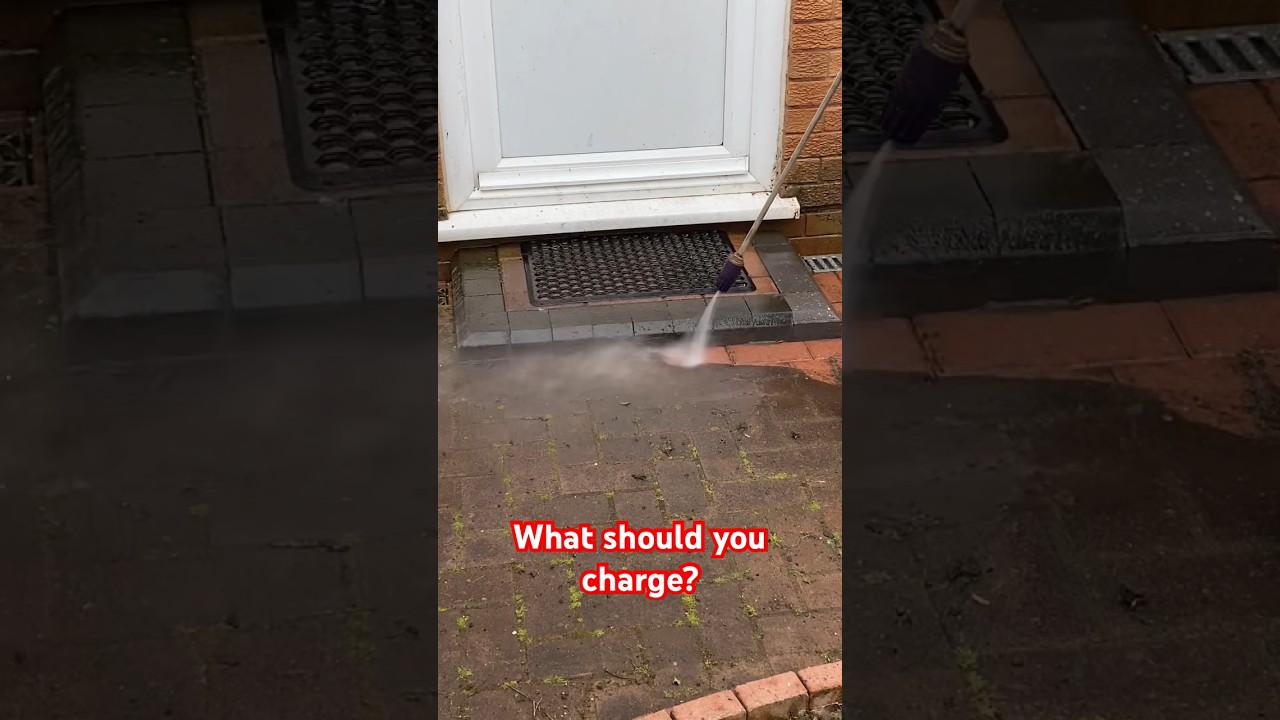
Pressure cleaning can remove dirt and surface algae from suitable concrete driveways and paths faster than scrubbing with a brush. A compatible surface-cleaner attachment can improve coverage and reduce uneven cleaning marks. However, setup, moving furniture, protecting nearby areas and managing wastewater all add to the total job time.
Hand scrubbing requires less equipment preparation, making it practical for steps, corners and isolated stains. Across a large patio or driveway, repeated brushing and rinsing usually demand substantially more labour. Oil, rust and deeply embedded stains may need specialised treatment with either method.

Comparing Physical Effort and Energy Costs
Pressure cleaning
A pressure cleaner replaces much of the brushing effort with powered water flow, but operating it still involves standing, handling hoses and controlling the spray gun. Electric machines consume electricity; petrol-powered units consume fuel and require engine maintenance.
To estimate electricity use, multiply the machine’s rated input in kilowatts by its running time in hours. For example, a 2-kilowatt machine running for 1.5 hours uses approximately 3 kilowatt-hours. Multiply that figure by your electricity tariff to estimate the electricity cost, excluding water, detergents and hire charges.
Hand scrubbing
Manual cleaning uses little direct equipment energy but involves more bending, pushing and repetitive movement. A long-handled brush can reduce bending, although large areas remain physically demanding. If hot water is used, https://rentry.co/d6cpfoo2 heating it also adds to energy consumption.
Water Use Depends on Technique
Pressure cleaning does not automatically use less water than hand scrubbing. Compare the cleaner’s flow rate in litres per minute with its actual trigger-on time. A machine delivering 8 litres per minute for 45 minutes uses approximately 360 litres. Hand scrubbing with a bucket and controlled rinse may use less water, while leaving a hose running can increase consumption considerably.

Choosing Safely for Lismore Properties
Lismore’s humid conditions and wet periods can encourage slippery biological growth on shaded outdoor surfaces. Cleaning can improve traction, but excessive pressure can damage timber, mortar, coatings and deteriorated concrete. Older homes also require care around painted surfaces and potentially asbestos-containing materials. Never pressure clean asbestos-containing material.
- Identify the surface and follow its manufacturer’s cleaning guidance before selecting pressure or chemicals.
- Test an inconspicuous area and use the lowest effective pressure.
- Allow suitable cleaning products their labelled dwell time rather than compensating with excessive force.
- Keep sediment, detergents and contaminated wash water out of stormwater drains, and check current local requirements and water restrictions.
Which Option Offers Better Value?
Choose hand scrubbing for small areas, delicate details and surfaces that cannot tolerate pressure. Consider professional pressure cleaning for extensive, suitable hard surfaces where labour savings outweigh equipment and service costs. When requesting a Lismore cleaning quote, ask whether it includes pretreatment, wastewater management and final rinsing. The best-value method cleans effectively without creating repair costs or unnecessary physical strain.
Lismore Pressure Cleaning
(02) 6617 2969